Chef Level Bean Skills: The Human Nourishment Guide to Legume Wizardry


Beans are the eccentric superstars of dried food. Mysterious, misunderstood and divisive; they can provide deep soul nourishment or room-clearing bombast.
And just like a reclusive artist, a little skill and patience are required for them to really shine.
Sure, you could go mainstream with a can of pre-cooked beans – the equivalent of miming lyrics on stage – and with enough flashy distractions still pull off something resembling a coherent performance.
But why fool yourself? In well under 10min hands-on time, we can transform these humble pebbles ‘o gold into nutritional-superhero flavour-bombs. All aboard now. Let me take you on a journey to the Rapture of Perfectly Cooked Beans*. First stop…
*beans are a type of legume – a family which also includes peas, lentils and peanuts, all of which will generally benefit from the steps outlined here. I use the terms interchangeably throughout this article.
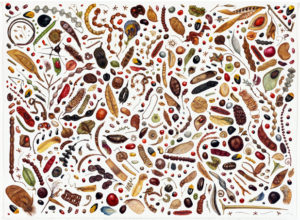
Step One: Buy
I’m going to assume you’re already hip to the WHY of bean consumption (ie outrageous protein-per-dollar ratio, rich deposits of essential minerals and nutrients, deeply satiating, palette-pleasing flavour profile) and just focus on the HOW.
Locate organic beans if you can. You may find them surprisingly affordable, especially if you buy in bulk (5kg+). Many supermarkets carry them; health food stores certainly will.
You may even be lucky enough to get fresh beans at a farmers market.
I try to buy my beans from countries close to home (I am in Ireland) and with superior (though far from perfect) records for pesticide use and responsible farming, such as Germany, Denmark and Slovakia.
Produce from the United States varies hugely in quality – some of the worst and best farming practices occur there. Some other good choices (that is, countries who have strict regulations around organic certification) are Japan, New Zealand and Switzerland.
It is my experience that so-called ‘organic’ food from China (and to a lesser extent, Turkey and Egypt) is often of low-quality and grown with minimal care. Sorry, China! There are, of course, many exceptions to this.
If beans have not been a regular part of your diet, or if you have an especially sensitive digestive universe, try starting with smaller varieties such as red split lentils or yellow mung dal, and adding larger cousins (like kidney, black, cannellini or garbanzo) as your system adjusts.
Step Two: Soak
Some Ayurvedic texts prescribe measuring all grains and legumes by hand (I also do this for coffee beans) [Link to coffee article here]. I find it to be an effective and deliciously tactile method, as hand size generally corresponds to body (and thus appetite) size; one will rarely cook too much or too little this way.
Comfortably fill the palm of one hand with beans. 3-4 of these will be one good serving for me; uou may need to find your own sweet spot.
In my largish hands, 4 palmfuls is 100-120 grams. If I’m preparing for more than two or three people, I’ll weigh the beans instead.
For one serving, put your chosen crop into a heat proof bowl along with:
15g (1Tbsp) unrefined salt
3g (1/2 tsp) Bicarbonate of Soda*
200ml Boiling water
(For each additional serving, add the same again of salt, bicarb and boiling water. For example, if you want beans for 4 people add 4Tbsp salt, 2tsp Bicarb and 800ml water)
Give it all a stir, cover with a plate and leave for 12-24 hours**.
*The bicarb helps to break down the tough outer skin, thus lowering cooking time and producing a more evenly cooked bean. The salt further alkalizes the water and also seasons the beans’ interior.
**8 hours is around the minimum time required for the desired effects on digestibility and flavour. If your plans change and you don’t cook them after 24 hours, they may start developing overly-fermented flavours – play around with this if confident (yes, fermented beans are a thing), otherwise change the soak water (with fresh, room temperature) and put in the fridge until ready to use.
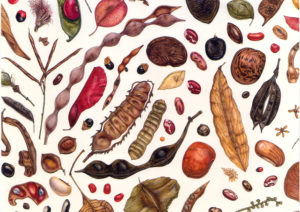
Step 3: Cook
Drain your beans; I find a quick rinse improves the flavour slightly.
Add to a pot (clay would be paradise, but any standard material will work) with enough water to cover by 1″ (2cm)*.
Bring to a boil over high heat, skimming off any scum** which floats to the top. Reduce to a medium heat until the majority of the scum has been removed, about 2-3 minutes – keeping a close eye as the beans can foam up and spill at this point.
Turn the heat to low, cover the beans and cook – 30-60 min for small types, 60-90 for larger – depending on how soft you want them. I like to let our beany friends sit for a further 30 min off the heat, with the lid on, but this is optional!
At first, keep an eye on the liquid levels during cooking and add more if necessary. After a few attempts, you may feel confident enough just go about your daily life, returning an hour later to perfectly cooked beans.
*This will cook the beans using the ‘absorption method’; meaning that no draining is required afterwards and all flavour is retained. If you want more of a stew/soup consistency, add more water before cooking.
**The ‘scum’ is actually a collection of indigestible proteins, squeezed out of the beans by heat-induced contractions… skimming it off improves flavour and nutrient availability
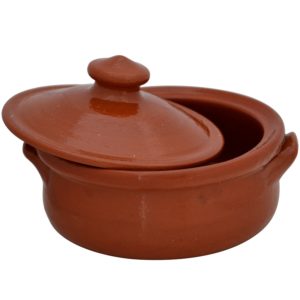 Cooking in a (non-glazed) clay pot seems to improve flavour. Alkalization? Cleaner Energy? Superior Heat Transfer? I don’t know. But if you have the chance to try it, do!
Step 4: Eat
At this point, I like to roughly mash the beans with some hemp or olive oil and some acid (say, lime juice), then spoon them into a bowl and dig in.
MMMMMMmmmmm….
After eating beans like this, I feel strong, satiated and deeply nourished.
You may like to get fancier –
- topping them with toasted seeds or chopped herbs;
- making hummus or blending with colourful veggies;
- shaping them into bean burgers and pan-frying;
- going the mexican-style refried route;
- or even crisping them up in the oven with some spice.
They will keep well in the fridge (even better if in some cooking water) for 4-5 days. Though I’ve never seen them last more than 2 in our house.
Other considerations:
Aromatics: Not generally a step I go through (as I’m totally satisfied by the taste of the beans themselves) but there certainly are options for experimentation and learning:
- Sauté diced plants like onions, garlic, ginger, carrot, celery, chili, leek etc before cooking the beans in the same pot
- Add whole or half versions of flavoursome plants to the cooking water (eg half a fennel bulb, a whole carrot)
- Add hardy herbs such as rosemary, sage or thyme to the cooking water
- Add freshly toasted spices (eg cumin, coriander seed, fennel seed) before (for mellow flavour) or after cooking (for brighter flavour)
Seaweed: Kelp and other seaweeds do add a distinctive flavour (which I love) to the beans, as well as shortening cooking time. I particularly love seaweed with Mung Beans.
Acid: Acids like vinegar or lemon juice will generally toughen beans during the cooking process (less of a concern after our soaking stage, however) so they are best added afterwards.
Bicarbonate (Baking) Soda: Very useful for improving digestibility and unlocking flavour but will ruin a dish in excessive quantities. Always err on the side of less!